
MATHIAS BERNARD BRAUN

MATHIAS BERNARD BRAUN (1684–1738)
Originally from Tyrol, Braun was a sculptor and carver who is considered one of the most significant exponents of Czech High Baroque sculpture.
Artistic education and inspiration
Braun studied sculpture in Salzburg and, at the age of 14, undertook a journey of exploration around Italy, visiting the cities of Venice, Bologna and Rome. Traces of the 17ᵗʰ century Venetian school of sculpture can be seen in his subsequent works, which were also influenced by the works of Gian Lorenzo Bernini and Michelangelo Buonarroti.
Arrival in Prague
Following his return from Italy, Braun was unable to secure further employment in Tyrol. Consequently, after a brief period in Dresden, he relocated to Prague around 1708. The circumstances of Braun's arrival in Bohemia are not reliably documented. However, there is evidence that Count František Antonín Špork was responsible for his care.
Sculpting workshop in Prague
Braun established his own workshop in Prague and soon joined the Prague Sculptors' Guild. His renowned work, The Dream of St. Luitgarde, was installed on the Charles Bridge. This project established him as a prominent figure in Bohemia and attracted numerous commissions. Another of his sculptures on Prague's most famous bridge is that of St. Ives, the patron saint of lawyers. Braun applied for burgher rights and soon became a Prague resident. He got married and collaborated with many other artists. He also gradually acquired four townhouses, but only the palace building on the corner of Charles Square has survived.
Kuks
Braun's primary patron was Count František Antonín Špork, for whom the artist created the renowned Virtues and Vices sculptures in front of the hospital in Kuks, as well as sculptures in the adjacent natural area known as Bethlehem. During his time in Kuks, Braun met Marie Alzbeta Miselius, whom he married in October 1719.
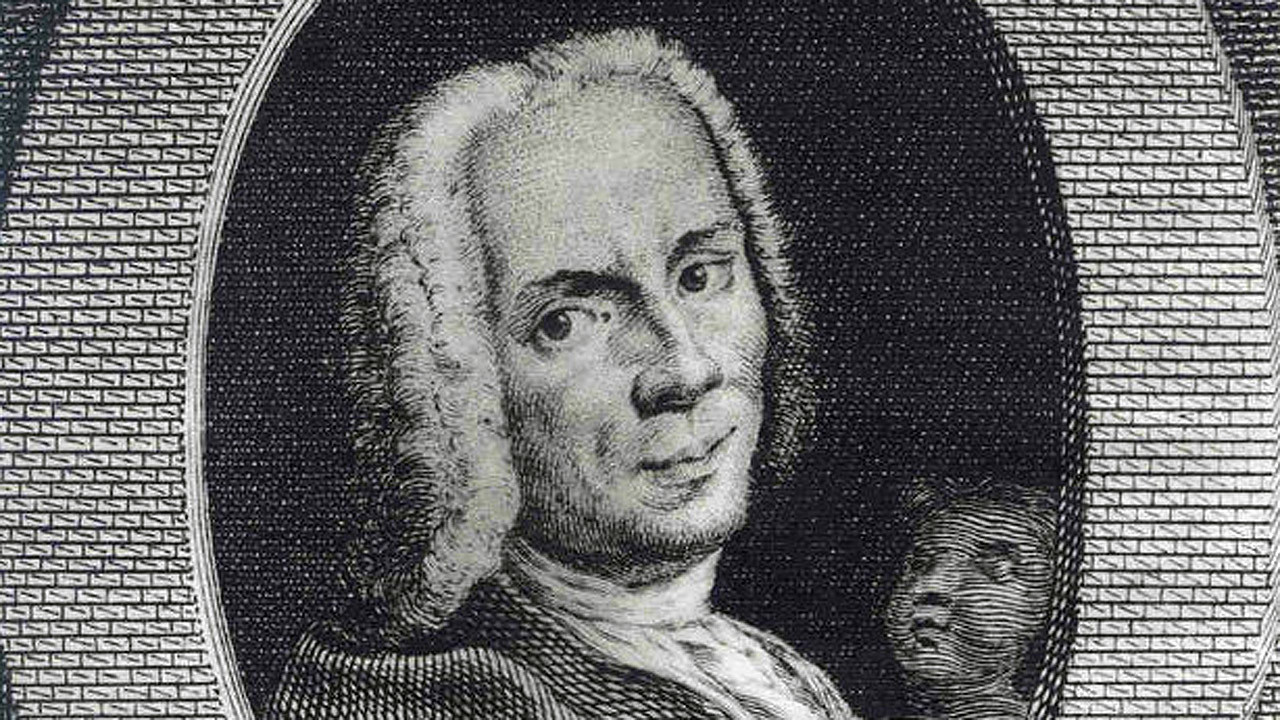
Photo by Česká televize (CTFS)
Braun's final years
After 1730, Braun suffered from tuberculosis and delegated heavy sculpting work to his employees, focusing instead on creating models and designs. He passed away at his residence, The Stone Table, on 15 February 1738, aged 54. None of his five children pursued a career in sculpture. Following the founder's death, his nephew Antonín took over the workshop, but it finally closed four years later.
Braun's work had a significant impact on Czech art and is still considered one of the pinnacles of European Baroque sculpture today.